

Global heavy‑truck export volumes keep climbing in 2026, driven by rising cross‑border freight flows across Central Asia, Southeast Asia and Africa. Industry statistics show Chinese heavy‑truck exports are set to hit 400 000 units this year, marking a 17 % year‑on‑year increase. Nevertheless, shipping‑route disruptions and lengthened sea transit times force fleet owners and importers to rethink purchasing cycles, spare‑parts stocking and vehicle configuration selection for international transport tasks.
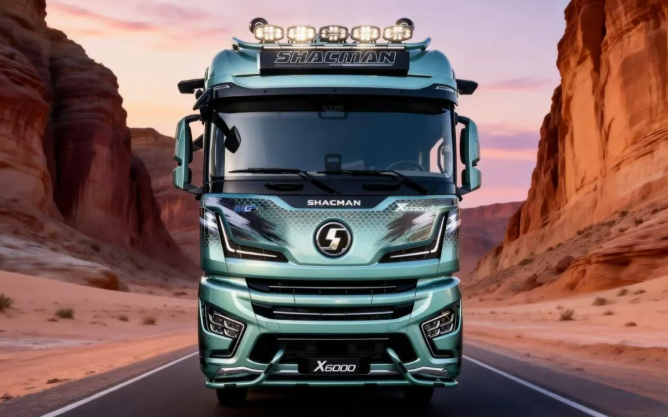
As one of China’s top heavy‑truck exporters, SHACMAN recorded 34.2 % year‑on‑year export growth in the first half of 2026, with its vehicles now operating in more than 160 countries and regions. The manufacturer keeps rolling out market‑oriented upgrades for cross‑border transport fleets. The newly‑optimized H3000S 4×2 tractor targets port container and over‑land cross‑border routes, which are booming in Southeast Asia and surrounding markets. Tuned for high‑temperature, high‑humidity working conditions, the model balances payload capacity, fuel economy and long‑term durability. Meanwhile, SHACMAN expands localised after‑sales networks and KD assembly sites, aiming to shorten spare‑parts lead‑times amid global shipping instability.
For cross‑border logistics operators, vehicle performance is no longer the only concern. Total‑cost‑of‑ownership, certification compliance, and stable aftermarket support have become equally critical decision‑making factors. Many importers now prefer trucks pre‑certified to multiple regional standards to avoid extra modification costs when goods circulate across borders. SHACMAN’s “one‑country‑one‑solution” strategy focuses exactly on such real‑world pain‑points, adjusting powertrain, cooling systems and electrical components according to local road conditions, climate and regulatory requirements.
Q&A
If you are interested, you can directly contact us.
Post time: Aug-28-2026


