

Global heavy-duty truck electrification keeps expanding beyond mature European markets into mountainous emerging economies. Rising diesel costs and local carbon reduction targets push mining and construction fleets to evaluate electric heavy trucks for fixed-cycle haulage. According to recent industry tracking, sales of battery-powered heavy trucks across South Asia jumped sharply in 2026, as local governments roll out greener transport rules and renewable power capacity grows. In this context, SHACMAN held the official launch ceremony for its X5000e electric heavy truck in Kathmandu on October 1, opening a new chapter for zero-emission heavy transport in Nepal’s highland regions.
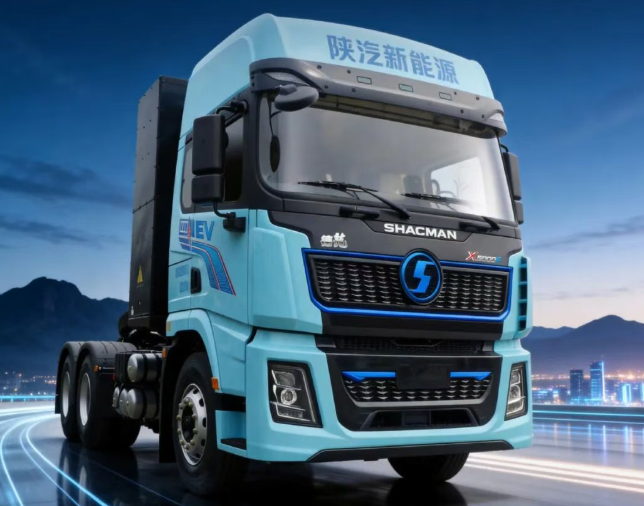
Engineered for Extremes
The X5000e is engineered to handle steep slopes, rough mountain roads and frequent full-load starts common in Nepalese quarry, hydropower construction and bulk material transport.
Advanced Battery Tech
The model adopts lithium iron phosphate battery packs paired with a high-torque electric drive system, delivering stable climbing performance without exhaust emissions.
Local Adaptation
SHACMAN’s engineering team adjusted the thermal management and chassis protection after local site surveys, adapting the truck to large temperature swings and dusty high-altitude working conditions.
Unlike pure showcase products, this launch includes formal dealer authorization, local spare parts stocking and systematic technical training for Nepalese service technicians. Many fleet owners in Nepal previously hesitated to switch to electric heavy vehicles due to worries about aftersales support and spare parts lead time.
“SHACMAN’s localised service package directly addresses those concerns. The brand will set aside dedicated component inventory for the X5000e and run regular training sessions for maintenance teams, instead of only supplying trucks without long-term support.”
Industry observers note that successful EV heavy truck adoption in mountain markets depends less on headline horsepower numbers and more on matched charging plans, on-site service response and clear warranty terms.
This Nepal launch also fits SHACMAN’s broader regional new-energy layout across Southeast and South Asia. Following earlier debuts in Laos and Jamaica, the X5000e continues to prove that electric heavy trucks can deliver reliable returns for short-to-medium fixed routes, where operators control charging schedules and calculate total cost of ownership carefully.
SHACMAN keeps separating its product strategy by region: hydrogen models for long-haul routes and battery electric trucks for mines, construction zones and port shuttles.
Q&A
Q: What are the main working scenarios designed for the Nepal version of SHACMAN X5000e?
A: It targets mountain quarry haulage, hydropower site construction transport, cement bulk delivery and fixed-loop material transfer projects.
Q: Has SHACMAN prepared charging guidance for local fleet buyers?
A: Yes. The technical team provides charging layout consulting for job sites, covering both fast charging and stationary charging station configuration according to customer daily shift plans.
Q: How does the X5000e compare with diesel heavy trucks in mountain operation?
A: It brings instant torque at low speed for climbing, cuts fuel expense sharply and reduces routine engine maintenance work, though the buyer needs to arrange stable power supply on site.
If you are interested, you can directly contact us.
Post time: Oct-28-2026


