

China’s heavy-truck industry is on track to rebound to 1 million units in 2025, driven by national IV old truck replacement policies and surging demand in emerging markets like Africa and Southeast Asia—where infrastructure booms have left local inventories nearly depleted. As a core leader of Shaanxi’s heavy-truck industrial chain, Shacman has seized these opportunities, with cumulative orders from January to September 2025 jumping 77.3% year-on-year. The brand has further strengthened its global competitiveness through optimized export logistics to Central Asia and bulk deliveries of scenario-specific models, aligning with the industry’s shift toward efficiency and localization.
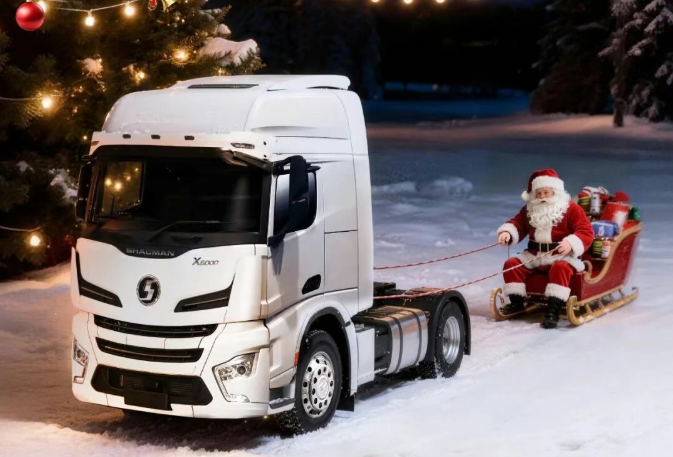
Central Asia Export Logistics Cut by 48% Via Innovative Model
Shacman has revolutionized its component export to Central Asia by adopting a new logistics model, slashing delivery time from 35 days to 18 days and nearly doubling inventory turnover. This breakthrough has enhanced the brand’s supply chain resilience, supporting its KD plant operations in Kazakhstan and Tajikistan. “Efficient logistics is a key pillar of our globalization strategy,” said a Shacman overseas logistics director. “The shortened lead time helps us better respond to the urgent infrastructure needs in Central Asian markets.”
The move comes as Chinese heavy-truck makers accelerate overseas expansion to tap growth opportunities beyond domestic markets. Industry forecasts indicate that demand from Africa (Ethiopia, Tanzania, Nigeria) and Southeast Asia (Vietnam) will remain robust, with local truck drivers able to recoup investments in 400,000-yuan trucks within six months—reflecting the early-stage development vitality of these regions.
Scenario-Specific Models Secure Bulk Orders
Shacman’s focus on segmented markets has yielded tangible results with two key deliveries:
- Deyu Q300 Cargo Truck: 46 units were delivered to Shanxi Yuanying Logistics, targeting high-value segments including green transport and cold chain. The model is highly customizable, offering efficient fuel consumption and reliability tailored to the diverse needs of agricultural product delivery and fresh food logistics.
- Zhiyun New Energy Light Truck: A 300-unit batch was delivered to Shaanxi Huihuang Logistics earlier this year, equipped with advanced electric drive systems. The model has been well-received for its low operating costs and environmental friendliness, fitting the growing demand for green logistics in urban areas.
Industry Policy Dividend: National IV Replacement Drives Demand
Shacman’s growth also benefits from national policies promoting the replacement of old diesel trucks. China’s 15 ministries have mandated that by 2025, the proportion of new energy and National VI emission standard trucks should exceed 40%, with a 12% reduction in NOx emissions from diesel trucks. The central government has expanded subsidies for replacing National IV and below operating trucks, creating substantial market demand—currently, there are approximately 700,000 National IV heavy trucks in China awaiting replacement.
“Our product matrix, covering traditional energy, new energy and scenario-specific models, perfectly matches the market’s dual needs of policy compliance and efficiency improvement,” a Shacman sales executive stated. Looking ahead, Shacman will continue to leverage its industrial chain advantages and optimized global logistics network to capture growth in both domestic and overseas markets.
If you are interested, you can directly contact us.
WhatsApp: +8617782538960
WeChat: +8617782538960
Telephone number: +8617782538960
Post time: Dec-25-2025